Social Science Glossary
Social Science
Hi, my name is Maelissa Buteau. For the past five semesters, I have dedicated myself in the study of Social Science, specifically psychology, at College Ahuntsic, and I'm now in my final semester. This program equips students for a variety of career paths such as law, psychology, criminology, and more. Since psychology is my field of study, I decided to do a glossary in this field to help students understand various terms we explore.
- agoraphobia
- noun
- Extreme or irrational fear of entering open or crowded places, of leaving one's own home, or of being in places from which escape is difficult.
- Example: My agoraphobic brother had some success managing his symptoms through cognitive behavioral therapy.
- en: agoraphobie

- behavior
- noun
- The way in which one acts or conducts oneself, especially toward others.
- Example: I'm surprised by her bad behavior toward her friends.
- en: comportement

- bipolar disorder
- noun
- A serious mental illness that causes unusual shifts in mood, ranging from extreme highs (mania or “manic” episodes) to lows (depression or “depressive” episode).
- Example: At age 13 she was diagnosed with bipolar disorder.
- en: trouble bipolaire

- borderline personality disorder
- noun
- A mental health condition that affects the way people feel about themselves and others, making it hard to function in everyday life.
- Example: People with borderline personality disorder have a strong fear of abandonment or being left alone.
- en: trouble de la personnalité borderline

- bulimia
- noun
- An eating disorder in which a large quantity of food is consumed in a short period of time, often followed by feelings of guilt or shame.
- Example: Someone with bulimia will often make excuses to avoid eating with friends or family.
- en: boulimie

- catharsis
- noun
- The process of releasing, and thereby providing relief from, strong or repressed emotions.
- Example: Music is a means of catharsis for them.
- en: catharsis

- cognitive Psychology
- noun
- The study of mental processes such as attention, language use, memory,perception,problem solving, creativity and thinking.
- Example: The purpose behind this assignment is to test your cognitive psychology skills.
- en: psychologie cognitive
- defense Mechanism
- noun
- A mental process (e.g., repression or projection) initiated, typically unconsciously, to avoid conscious conflict or anxiety.
- Example: Marie is projecting her anger on you as a defense mechanism.
- en: mécanisme de défense
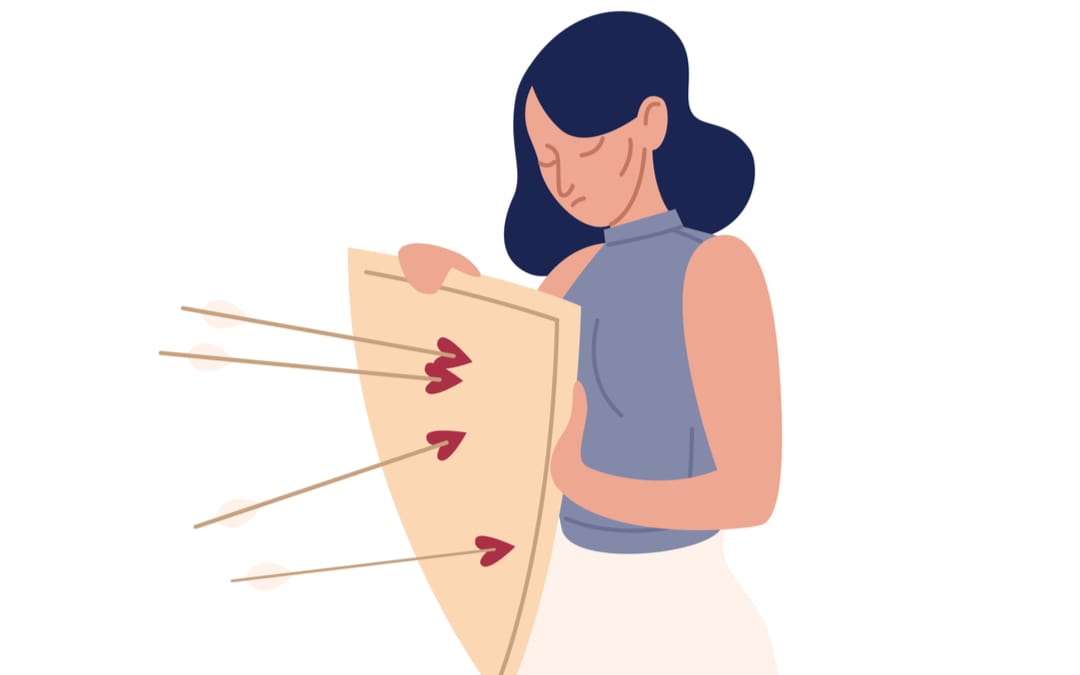
- dissociative Disorder
- noun
- A mental health conditions that involve experiencing a loss of connection between thoughts, memories, feelings, surroundings, behavior and identity.
- Example: Viki has battled dissociative disorder for decades, and the condition has now affected her daughter Jessica.
- en: trouble dissociatif

- hypochondriasis
- noun
- In generally, it's defined as abnormal preoccupation with one's health and a fear of having or getting a disease despite physical evidence to the contrary.
- Example: I know you don't agree, but I think you are suffering from hypochondriasis.
- en: hypocondrie

- munchausen syndrome
- noun
- A psychological condition where someone pretends to be ill or deliberately produces symptoms of illness in themselves.
- Example: Children who are victims of Munchausen syndrome are usually removed from the offending caregiver immediately and placed in protective custody.
- en: syndrome de Münchhausen
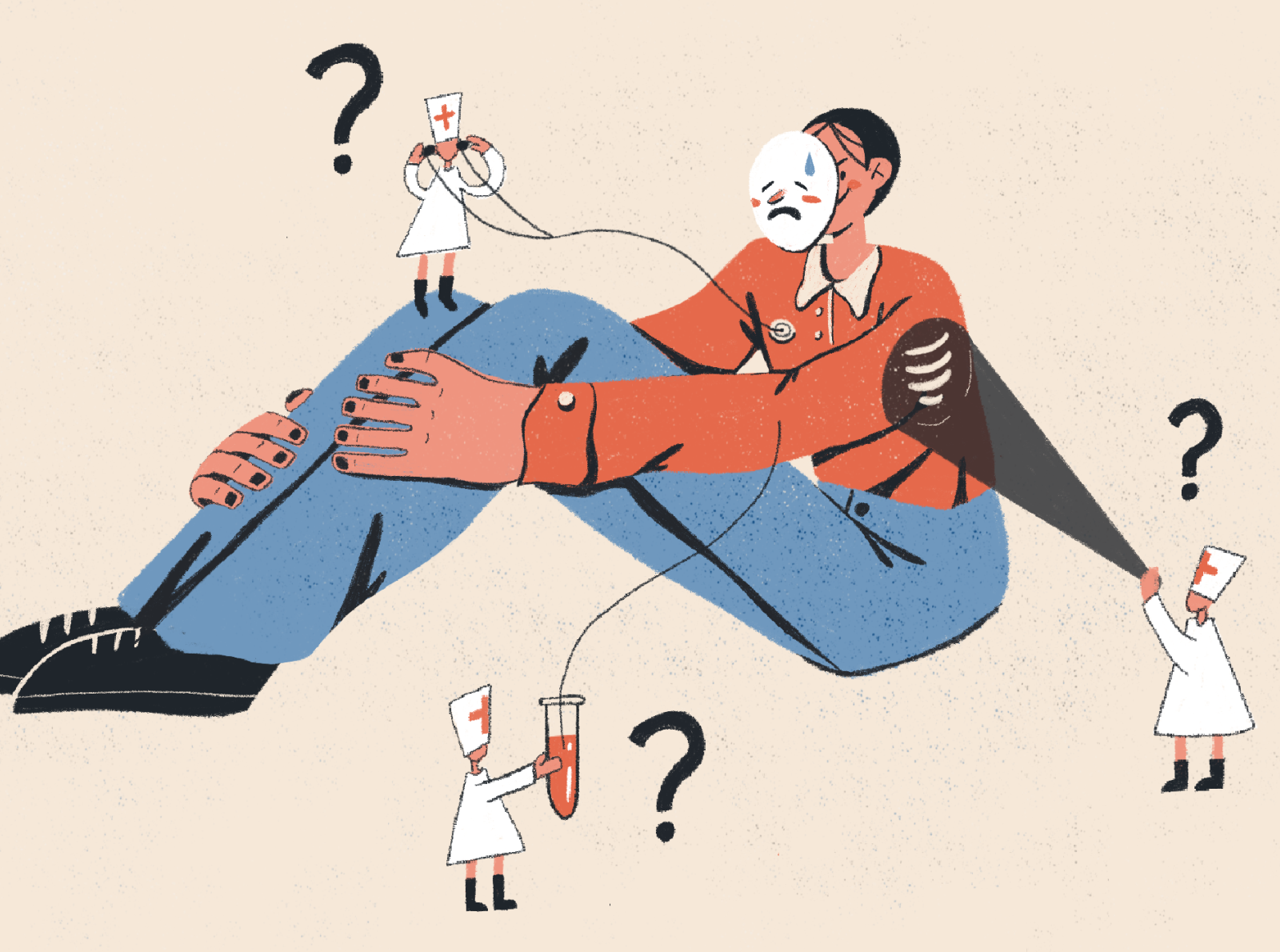
- narcolepsy
- noun
- A condition characterized by an extreme tendency to fall asleep whenever in relaxing surroundings.
- Example: The schoolboy was diagnosed with narcolepsy a year ago.
- en: narcolepsie

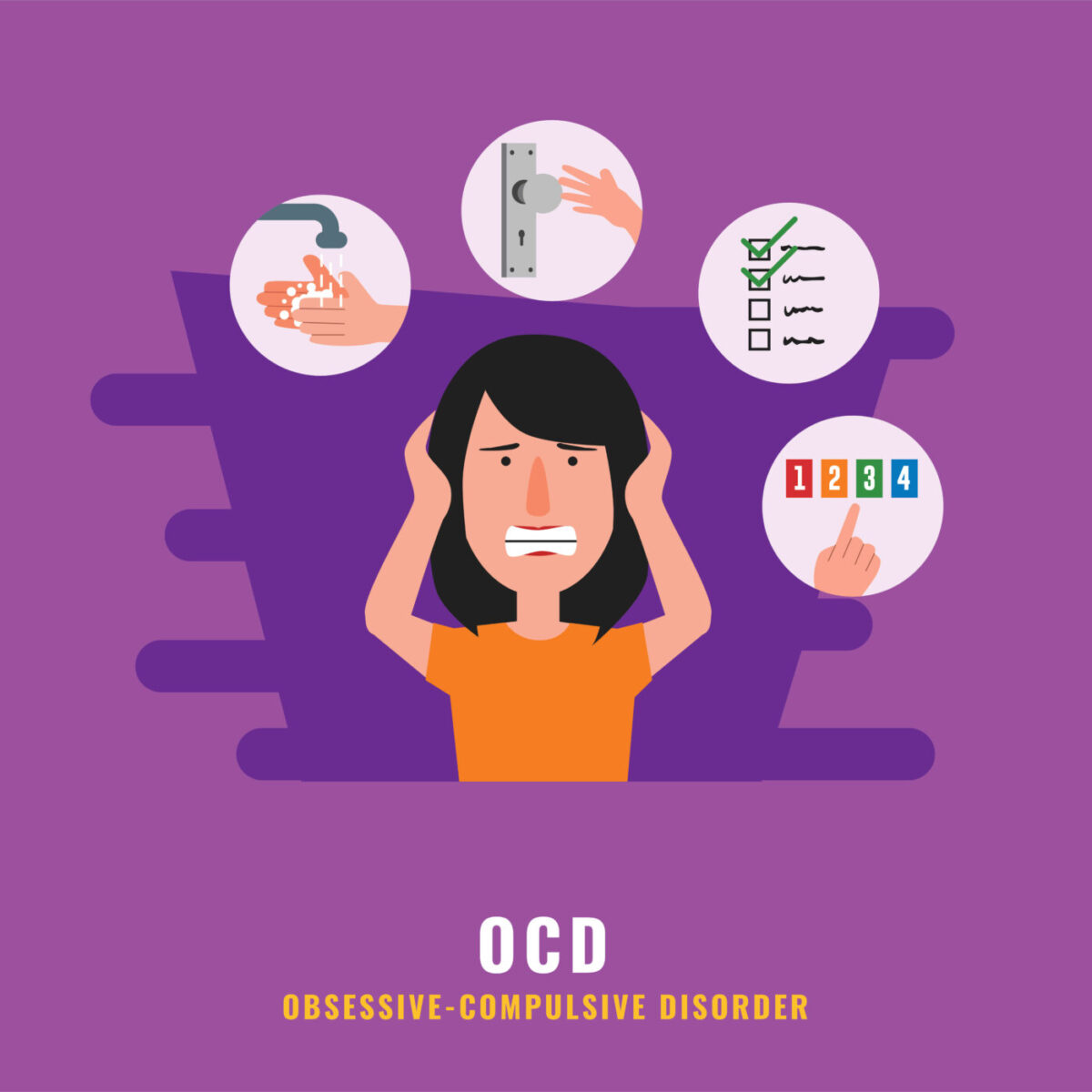
- obsessive-compulsive disorder
- noun
- A long-lasting disorder in which a person experiences uncontrollable and recurring thoughts (obsessions) that produce uneasiness, apprehension, fear, or worry ; engages in repetitive behaviors (compulsions), or both.
- Example: The psychiatrist diagnosed Amanda with obsessive-compulsive disorder.
- en: trouble obsessionnel compulsif
- paranoia
- noun
- The unwarranted or delusional belief that one is being persecuted, harassed, or betrayed by others, occurring as part of a mental condition.
- Example: I was full of paranoia that people were talking about me.
- en: paranoïa

- pathology
- noun
- The science of the causes and effects of diseases, especially the branch of medicine that deals with the laboratory examination of samples of body tissue for diagnostic or forensic purposes.
- Example: Research people skilled in experimental pathology.
- en: pathologie
- post–traumatic stress disorder (PTSD)
- noun
- A disorder that develops in some people who have experienced a shocking, scary, or dangerous event.
- Example: The record mentions severe childhood trauma complemented by post-traumatic stress disorder.
- en: trouble de stress post-traumatique (SSPT)
- prosopagnosia
- noun
- A neurological condition characterized by the inability to recognize the faces of familiar people.
- Example: She suffers from prosopagnosia, a condition also known as face blindness.
- en: prosopagnosie
- psychosomatic
- adjective
- (Of a physical illness or other condition) caused or aggravated by a mental factor such as internal conflict or stress.
- Example: Her doctor was convinced that most of Edith's problems were psychosomatic.
- en: psychosomatique

- schizophrenia
- noun
- A serious mental condition of a type involving a breakdown in the relation between thought, emotion, and behavior, leading to faulty perception, inappropriate actions and feelings, withdrawal from reality and personal relationships into fantasy and delusion, and a sense of mental fragmentation.
- Example: Gibraltar's schizophrenia continues to be fed by colonial pride.
- en: schizophrénie
:max_bytes(150000):strip_icc()/Health-Schizophrenia-Overview-PaigeMcLaughlin-Final-e784ef4214264c8ea708309a09c4901e.jpg)
- stimulus
- noun
- A thing or event or phenomenon that evokes a specific functional reaction in an organism.
- Example: He reacts to external stimuli but for now can only answer a familiar voice by moving his eyes.
- en: stimulus

Comments
Post a Comment